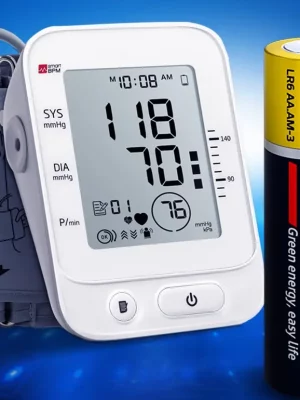

Batteries power many of the devices we use every day—from remote controls and clocks to toys, gaming accessories, flashlights, and essential electronic equipment.
But even when batteries are not being used, the way they are stored can affect their condition and performance.
Heat, moisture, direct sunlight, physical damage, and improper storage can all create problems. By following a few simple storage practices, you can help keep your batteries in better condition and reduce the risk of leakage or accidental short circuits.
In this guide, we’ll explain how to store batteries safely, where to keep them, what to avoid, and how to get the most reliable performance from your batteries.
Why Does Battery Storage Matter?
A battery contains electrochemical materials that can gradually change over time, even when the battery is not powering a device.
Storage conditions can influence:
- Battery performance
- Shelf life
- Risk of leakage
- Reliability
- Safety
Proper storage does not make a battery last forever, but it can help maintain its condition until you are ready to use it.
1. Store Batteries in a Cool, Dry Place
One of the most important battery storage rules is simple:
Keep batteries away from excessive heat and moisture.
A cool, dry environment is generally preferable to places exposed to high temperatures or humidity.
Avoid storing batteries:
- In direct sunlight
- Near ovens or stoves
- Inside hot cars
- Near heaters
- In bathrooms
- In areas exposed to water or steam
This is particularly important in hot climates, where temperatures inside vehicles, garages, or poorly ventilated storage areas can become significantly higher than room temperature.
2. Keep Batteries Away From Direct Sunlight
Sunlight can heat the battery and its surrounding environment.
Instead of leaving batteries on a countertop, windowsill, or inside a vehicle, keep them in a shaded storage area.
A drawer, cupboard, or dedicated storage box can provide a much more stable environment.
3. Keep Batteries in Their Original Packaging
Whenever possible, keep unused batteries in their original packaging until you need them.
Original packaging helps:
- Keep batteries organized
- Protect the terminals
- Reduce contact with metal objects
- Make it easier to identify the battery type
- Prevent accidental mixing of different batteries
If you purchase batteries in a multi-pack, there is usually no reason to remove every battery from its packaging immediately.
4. Prevent Battery Terminals From Touching Metal
This is one of the most important battery safety practices.
Do not store loose batteries together with objects such as:
- Coins
- Keys
- Paper clips
- Metal tools
- Jewelry
- Other conductive objects
If the positive and negative terminals come into contact with a conductive material, the battery can discharge unexpectedly and generate heat.
For loose batteries, a dedicated battery organizer or a non-conductive container can help keep them separated from metal objects.
5. Do Not Mix Old and New Batteries
When replacing batteries in a device, avoid mixing old and new batteries.
Different levels of charge can cause the batteries to discharge unevenly, which may affect performance and increase the possibility of leakage.
When a device requires multiple batteries, it is generally better to replace them as a complete set using batteries of the same type and suitable specifications.
6. Do Not Mix Different Battery Types
Avoid combining different battery chemistries in the same device unless the device manufacturer specifically permits it.
For example, do not randomly mix:
- Alkaline and carbon zinc batteries
- Different battery sizes
- Different brands
- Rechargeable and non-rechargeable batteries
Using batteries with different characteristics can lead to uneven discharge and unreliable operation.
For the best results, follow the battery requirements specified by the device manufacturer.
7. Check Batteries Before Use
Before inserting a stored battery into a device, take a moment to inspect it.
Look for signs such as:
- Leakage
- Swelling
- Corrosion
- Damaged casing
- Dents
- Unusual discoloration
If a battery appears damaged or is leaking, do not use it.
Avoid touching leaked material directly and follow appropriate battery disposal guidance for your location.
8. Store Batteries Away From Children and Pets
Batteries should be stored where young children and pets cannot access them.
Small batteries can present serious hazards if swallowed, particularly button and coin batteries.
Keep batteries in secure storage and avoid leaving loose batteries on tables, floors, or other easily accessible surfaces.
9. Should Batteries Be Stored in the Refrigerator?
For most household batteries, refrigeration is unnecessary.
Modern batteries are designed to be stored at normal indoor temperatures when kept in appropriate conditions.
More important than refrigeration is avoiding:
- Excessive heat
- Direct sunlight
- High humidity
- Temperature extremes
If batteries have been stored somewhere very cold, allow them to return to normal room temperature before using them.
10. Do Not Freeze Batteries
Freezing batteries is generally unnecessary and can create condensation when the batteries are brought back into a warmer environment.
For everyday storage, a stable, cool, and dry location is a much simpler solution.
11. Pay Attention to the Expiry or Best-Before Date
Batteries gradually lose their stored energy over time.
Manufacturers provide shelf-life information based on the battery type and storage conditions.
When purchasing batteries for future use, check the date information on the packaging and choose a quantity that matches your expected usage.
For frequently used devices, rotating your stock can also help ensure that older batteries are used before newer ones.
12. Store Different Battery Sizes Separately
If you regularly use AA, AAA, C, D, or other battery sizes, keeping them organized can make it easier to select the correct battery and avoid accidental mixing.
A simple organizer can separate batteries by:
- Size
- Chemistry
- Brand
- Intended use
For example, you could keep AA and AAA batteries in separate sections and clearly distinguish alkaline from other battery types.
13. Remove Batteries From Devices You Won’t Use for a Long Time
If you know that a device will remain unused for an extended period, check its battery compartment.
For devices that allow it, removing the batteries before long-term storage can help prevent potential damage from leakage.
This can be particularly useful for:
- Seasonal decorations
- Children’s toys
- Flashlights
- Cameras
- Emergency equipment
- Rarely used electronics
Always follow the device manufacturer’s instructions when storing equipment with batteries.
14. Don’t Store Batteries in a Hot Car
A car may seem like a convenient place to keep spare batteries, especially for travel or emergencies.
However, parked vehicles can become extremely hot.
For this reason, avoid leaving batteries inside a car for extended periods, especially during hot weather.
If you need to carry spare batteries, keep them protected and remove them from the vehicle when you arrive.
Alkaline vs. Carbon Zinc Battery Storage
Both alkaline and carbon zinc batteries should be stored in appropriate conditions, but they are designed for different types of applications.
Alkaline batteries
Alkaline batteries are commonly used in devices that require more consistent and higher energy output, such as:
- Toys
- Gaming accessories
- Flashlights
- Portable electronics
- Wireless accessories
Carbon zinc batteries
Carbon zinc batteries are often used for lower-drain applications such as:
- Wall clocks
- Remote controls
- Basic flashlights
- Simple electronic devices
Regardless of battery chemistry, good storage practices remain important.
Keeping batteries cool, dry, protected, and separated from conductive materials can help maintain their condition.
How to Make Batteries Last Longer in Everyday Use
Storage is only part of the equation.
You can also improve battery efficiency by choosing the right battery for the device.
A high-drain device may require a battery designed to deliver energy more effectively, while a low-drain device may work well with a more economical battery option.
For example:
Gaming controllers → typically benefit from batteries designed for higher-drain applications.
Toys → often require dependable energy delivery, especially when motors or lights are involved.
Remote controls → generally have lower energy demands.
Wall clocks → typically operate with relatively low power requirements.
Choosing the appropriate battery for the application can help you get more reliable performance.
A Simple Battery Storage Checklist
Before storing your batteries, remember:
✓ Keep them cool.
✓ Keep them dry.
✓ Keep them away from direct sunlight.
✓ Keep terminals away from metal objects.
✓ Keep batteries in their packaging when possible.
✓ Do not mix old and new batteries in a device.
✓ Do not mix incompatible battery types.
✓ Inspect batteries before use.
✓ Keep batteries away from children and pets.
✓ Follow local disposal guidance for used batteries.
These simple habits can make battery storage safer and more organized.
When Should You Replace Stored Batteries?
A battery should not be used simply because it has been stored for a long time.
Before use, inspect it for signs of deterioration.
If the battery is damaged, leaking, swollen, or otherwise abnormal, do not insert it into a device.
For normal batteries that have been stored correctly, refer to the manufacturer’s stated shelf life and storage recommendations.
How Eurocell Helps Power Everyday Life
From toys and gaming accessories to household electronics and everyday devices, Eurocell batteries are designed to support the moments when dependable power matters.
Whether you’re preparing a controller for a gaming session, replacing batteries in a remote control, or keeping a flashlight ready for unexpected situations, choosing the appropriate battery and storing it correctly are both important parts of reliable everyday power.
Store smart. Choose the right battery. Keep your devices powered.
Frequently Asked Questions
What is the best way to store batteries?
Store batteries in a cool, dry place away from direct sunlight, heat, moisture, and metal objects. Keeping them in their original packaging is recommended when possible.
Should batteries be kept in the refrigerator?
For most household batteries, refrigeration is unnecessary. Stable room-temperature storage in a cool and dry environment is generally sufficient.
Can batteries be stored together?
They can be stored together if they are protected from contact with conductive materials and organized appropriately. Avoid loose batteries coming into contact with coins, keys, or other metal objects.
Should I remove batteries from devices that are not being used?
For devices that will remain unused for a long period, removing the batteries can help reduce the risk of damage from potential leakage. Follow the device manufacturer’s instructions.
Can I mix old and new batteries?
It is generally recommended not to mix old and new batteries in the same device. Replace batteries as a set when multiple batteries are required.
Can I mix alkaline and carbon zinc batteries?
It is generally recommended to avoid mixing different battery chemistries in the same device unless the manufacturer specifically allows it.
How can I make batteries last longer?
Use the battery type recommended for your device, store unused batteries properly, and avoid mixing old and new batteries. Matching the battery to the device’s power requirements can also improve performance.
Final Thoughts
Good battery storage is simple.
Keep your batteries cool, dry, protected, and organized, and avoid exposing them to heat, moisture, direct sunlight, or conductive materials.
Just as importantly, choose the right battery for the job. A battery designed for a high-drain device may perform differently from one intended for low-drain applications.
A little care before and after use can help you get more reliable performance from the batteries you depend on every day.
Power that keeps you playing.